



Operation Bluebird is betting on nostalgia, paid membership and a different approach to social media to challenge Elon Musk’s X. But with key features still in development, the new platform faces a bigger test than reclaiming a familiar name.
For millions of social media users, Twitter was more than an app. It was where breaking news travelled, public arguments unfolded, celebrities interacted with fans and ordinary people found an audience.
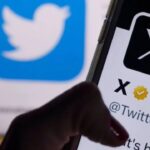
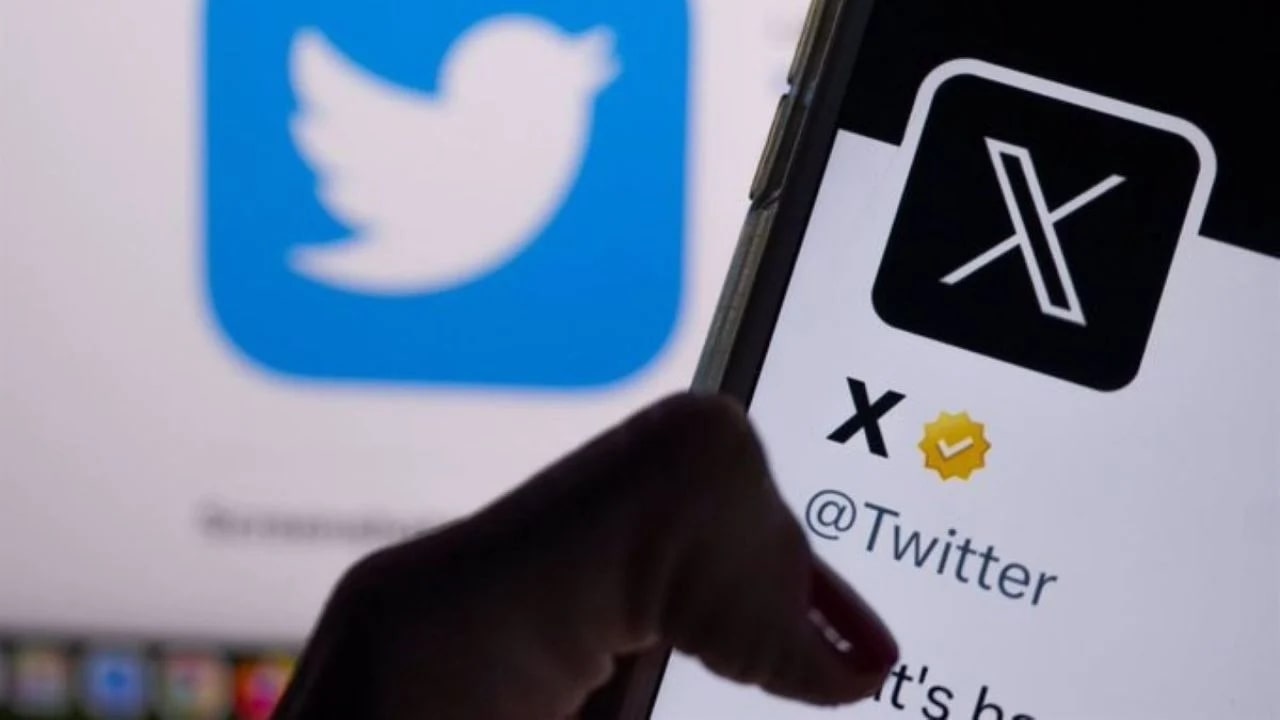
Then Elon Musk bought the platform in 2022, renamed it X and gradually replaced much of the identity that had made Twitter recognisable.
Now, a new company wants to bring part of that identity back.
Operation Bluebird, a US-based company, has launched Tweet.app, a social networking platform built around the familiar language of Twitter, including tweets and the bird identity.
The move is not a return of the original Twitter platform, nor is it a new product from Musk. Operation Bluebird says it has no affiliation with X Corp.
Instead, it is attempting to build a competing social network around the name and features that made the old Twitter popular.
And it has already secured an important, although limited, legal victory.
How a court ruling opened the door for Tweet.app
The story began with a trademark dispute between X Corp. and Operation Bluebird.
After Musk’s rebranding of Twitter to X, Operation Bluebird argued that X had abandoned certain trademark rights associated with the old platform, particularly the word “Tweet” and the familiar bluebird logo.
The dispute eventually reached the United States District Court for the District of Delaware.
On September 3, 2026, Judge Colm Connolly issued a split ruling on X’s request for a preliminary injunction.
The court found that Operation Bluebird was likely to succeed in proving that X had abandoned its trademark rights in the word “Tweet” and the bird logo. However, it also found that X was likely to succeed in its claims concerning the TWITTER word marks.
In practical terms, the court prevented Operation Bluebird from using the Twitter name and confusingly similar marks for its social networking platform, while declining to stop it from using Tweet and the bird logo at this stage.
The ruling was not a final judgment on ownership of all the disputed trademarks. The wider case is still expected to proceed to trial, with the parties having requested a November 2027 trial date.
Following the decision, Operation Bluebird changed its platform’s branding from Twitter.now to Tweet.app.
The company had found a way to build around the parts of Twitter’s former identity that the preliminary ruling allowed it to use.
Why users are being asked to pay
One of the most interesting things about Tweet.app is its business model.
Unlike platforms that allow users to join for free and generate revenue largely through advertising, Tweet.app is taking a membership-based approach.
Its early-access campaign offers three membership levels:
- Founder: $20 – Early access, a reserved username, a numbered Founder badge and one year of membership under its current membership terms.
- Fighter: $40 – Founder benefits, additional recognition and two years of membership.
- Centurion: $100 – The highest early-access tier, with a Centurion badge and lifetime membership.
The company’s website says it is moving towards monthly and yearly paid memberships with the launch of its Android app. Existing early supporters are being given membership benefits based on the tier they purchased.
This is the model behind the criticism that has begun appearing in online conversations.
Some users have questioned why they should pay to join a social network that has yet to establish itself, while others see the upfront charges as a way of raising money from people who believe in the project.
One user described the early-access offer as a possible money grab, questioning the wisdom of paying for a platform that could shut down at any time.
That concern deserves consideration.
Tweet.app says the payments fund development, help defend its branding and discourage bot accounts. The company also insists that membership is not an investment: users are not buying shares, equity or a promise of financial returns.
That distinction matters. Paying $20, $40 or $100 does not make a user a shareholder or guarantee that the platform will remain operational.
A promising idea, but how much of the product is ready?
Tweet.app is selling more than nostalgia. It is promising a different experience from the one users have come to associate with mainstream social media.
Its stated vision centres on trust, transparency, user control and reducing the influence of bots and manipulative content.
One of its proposed features is VERA, a verification technology designed to provide sources and context behind claims shared on the platform.
It also plans to introduce The Perch, which would allow users to control what appears in their feeds, and Nests, communities built around shared interests.
These ideas could give Tweet.app a distinct identity if properly implemented.
However, the company is clear on its website that several of these features are still on its roadmap. The current web platform offers basic social networking functions, including posting, replying, reposting and following users, while other features are expected to arrive in stages.
That means early members are joining a developing product, not a fully completed alternative to X.
The distinction is important because the success of a social network depends on what users can actually do, not just what its founders promise to build.
Can Tweet.app really compete with X?
The biggest challenge facing Tweet.app may not be its legal battle with X. It may be convincing people to leave, or at least divide their time between, platforms where their friends, favourite creators, businesses and communities already exist.
X has an established global audience, a large volume of daily conversations, media organisations, public figures and businesses. Competing with that ecosystem requires much more than reclaiming a familiar word and logo.
Threads, Bluesky and other platforms have already demonstrated that there is interest in alternatives to X. However, attracting initial curiosity is different from building a network that people consistently return to.
Tweet.app will need to solve the network-effect problem: users are more likely to join when the people they want to interact with are already there, while those people may be waiting for a sufficiently large audience before making the move.
Its paid model introduces another hurdle.
A membership fee could discourage bots and help fund operations without depending on advertising. But it could also make it harder to attract the large, diverse audience needed to sustain a social network.
The company says it has received more than 175,000 handle requests. That is an encouraging sign of interest, but it should not be confused with 175,000 active users or paying subscribers.
The real test will be how many people complete registration, return regularly, create content and persuade others to join.
Bzzyer analysis: nostalgia can open the door, but it cannot build the network
Tweet.app has something many new social networks struggle to obtain: immediate recognition.
The word Tweet is already part of internet culture. People understand what it means, and the familiar bird identity carries years of associations with online conversations.
That gives Operation Bluebird a marketing advantage. It does not have to explain an entirely unfamiliar concept to its potential audience.
But nostalgia has a short shelf life.
People may visit Tweet.app because they miss Twitter. They may even pay for early access because they want to be part of something new. The question is whether they will still be there six months or two years later.
For Tweet.app to stand the test of time, it needs to deliver a reliable product, attract influential creators and communities, establish a sustainable revenue model and give people compelling reasons to make it part of their daily routine.
It must also demonstrate that its proposed trust and verification features work in practice, rather than remaining attractive ideas on a product roadmap.
The paid membership approach is not necessarily a bad idea. In fact, it could help the company avoid some of the commercial pressures associated with advertising-driven social networks.
However, it must prove that users receive enough value to justify paying for access, particularly when competing platforms offer free entry.
There is also the unresolved legal battle to consider. The September ruling was a significant win for Operation Bluebird over the Tweet mark and bird logo, but it did not give the company ownership of the Twitter name. The final outcome of the wider case remains uncertain.
For now, Tweet.app has won the right to make its own attempt at rebuilding the public square around a familiar identity.
Whether people will pay to occupy that square, and continue doing so, is another question entirely.
Twitter may be gone as a brand under Musk, but the desire for what it represented has clearly not disappeared. Tweet.app now has the opportunity to prove that it can turn that desire into a lasting business.