





Meta is moving beyond text-based artificial intelligence conversations with a new feature that allows users to make video calls with animated AI companions, as the company expands its ambitions to bring digital assistants into everyday life.
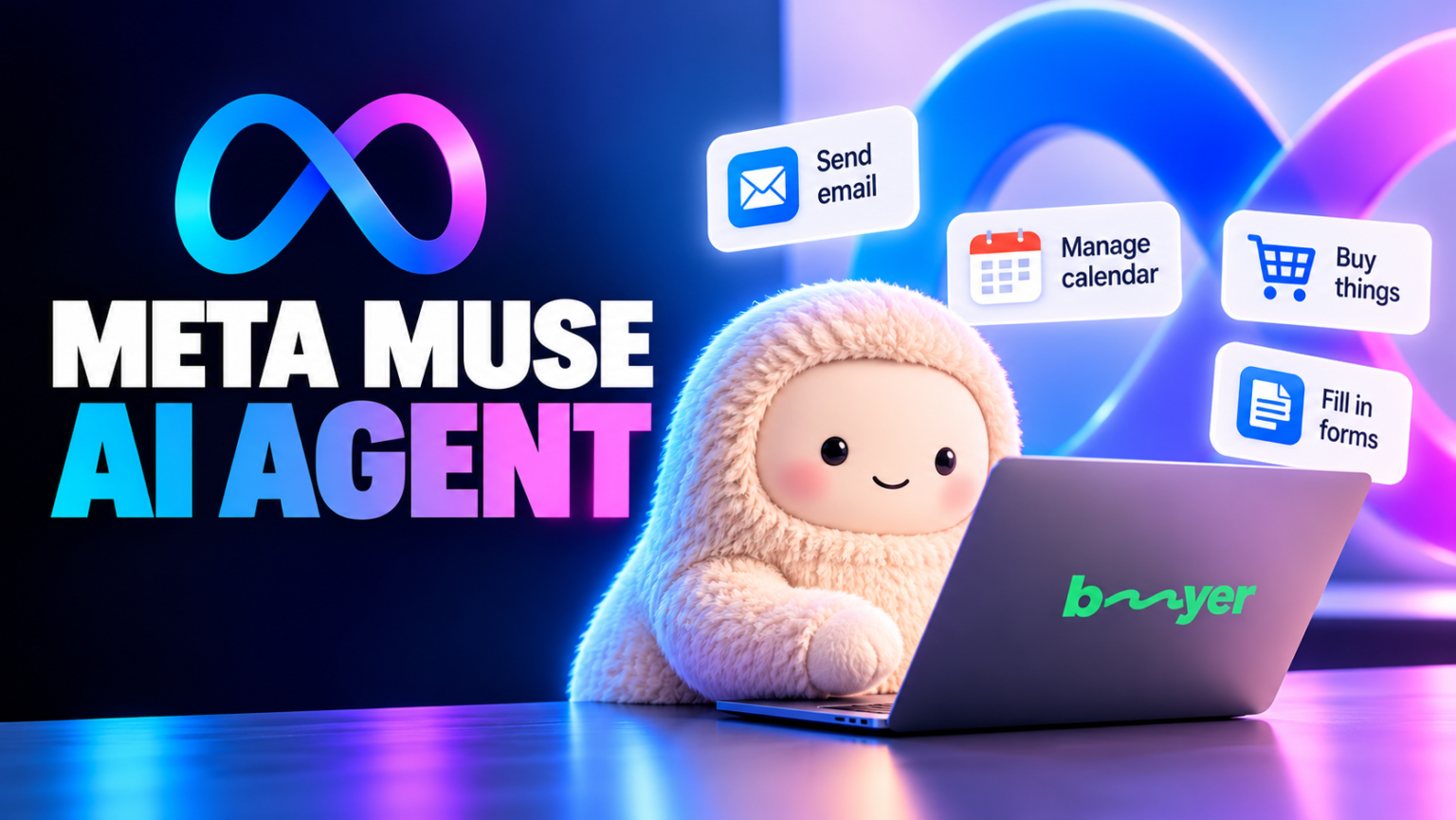
The technology giant has opened Muse Voice, its voice and video conversation feature, to all users in the United States, allowing them to interact with its Muse AI assistant through customisable digital avatars.
The feature combines two AI technologies, Muse Realtime Avatar and Muse Realtime Voice, to power live conversations between users and animated characters.
Meta first unveiled the technology at its Connect developer conference in September, presenting it as a different approach to interacting with AI assistants.
Unlike conventional voice assistants that respond through audio alone, Muse gives users a visual character they can speak with while asking questions or requesting assistance with everyday tasks.
The default avatar, nicknamed Jolly, features a friendly animated appearance. Users can also customise it to resemble a human, an animal or another fictional character.
Meta says the avatars use facial expressions and gestures that correspond with the tone of conversations, making interactions feel more natural.
Although Muse does not actually see users, it listens to their voices and responds based on the conversation.



Meta wants AI assistants to feel more personal
The company’s strategy reflects a growing effort among technology firms to make artificial intelligence less mechanical and more engaging.
While several AI platforms already support real-time voice conversations, Meta is betting that giving assistants visual identities and customisable personalities could encourage users to interact with them more frequently.
Meta Chief AI Officer Alexandr Wang demonstrated the feature in a video shared on X, showing himself joking with his AI companion, which appeared as a fluffy white dog.
During the exchange, Wang mentioned that his frequent meme posts on X could potentially get him into trouble with his boss.
His AI companion responded by suggesting that he add disclaimers to memes that might be mistaken for official Meta endorsements.
The demonstration illustrated how Meta wants its AI assistant to combine practical assistance with humour and personality.
AI avatar to move into wearable devices
Meta’s expansion of Muse Voice also comes ahead of its planned launch of a Tamagotchi-inspired wearable device called Muse Charm before the end of 2026.
The device is expected to feature a small screen displaying the user’s AI avatar, allowing people to communicate with the assistant and request tasks without constantly opening a smartphone application.
The company also plans to extend real-time conversations to its AI glasses and the upcoming Muse Charm device.
Currently, Muse Voice supports mobile devices, the web and Mac computers.
The expansion could give Meta another advantage in the wearable technology market, where companies are increasingly exploring ways to integrate AI into products people use throughout the day.
What Meta’s AI strategy could mean for Nigeria
Meta’s move could eventually influence how Nigerians interact with digital services, particularly as smartphones and social platforms remain important channels for communication, entertainment and business.
AI companions with voice and visual capabilities could support language learning, customer engagement, content creation and other services that require more natural conversations.
However, the technology’s usefulness in Nigeria will depend on more than attractive avatars. Reliable internet access, affordable data, support for Nigerian accents and local languages, and compatibility with commonly used devices will determine how accessible such features become.
There are also privacy considerations as AI assistants move closer to wearable devices, potentially increasing the amount of personal information users share during everyday interactions.
For Meta, the bigger ambition appears to be making AI a constant digital companion rather than a tool people visit only when they have questions.
Whether users will embrace talking to animated AI characters as part of their daily routines remains to be seen, but the company’s planned wearable expansion suggests it is preparing for a future in which AI interaction extends well beyond the smartphone screen.