




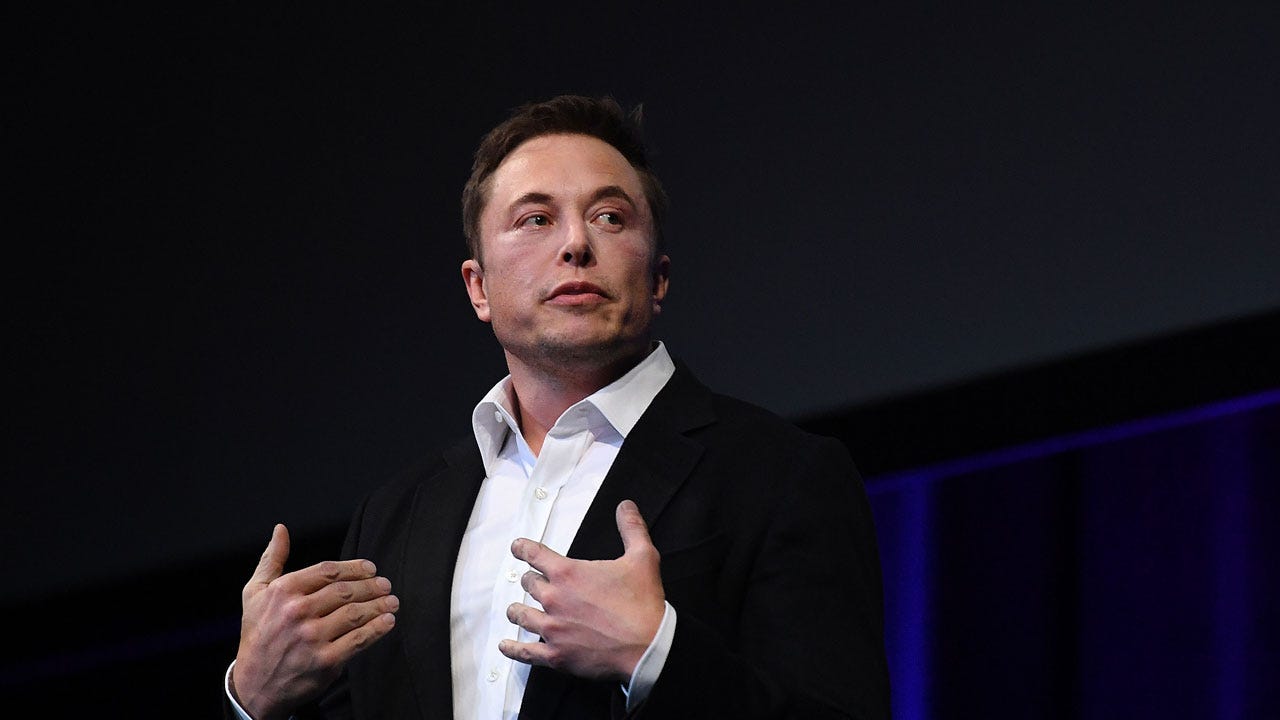

Elon Musk has reignited the debate over media influence, arguing that traditional news organisations wield enormous power by deciding which stories deserve public attention and which ones remain largely unnoticed.
Musk’s argument goes beyond whether journalists report facts accurately. He is questioning the editorial decisions that determine which events make headlines, dominate public conversations and shape how audiences understand the world.
“The biggest deception is the choice of narrative,” Musk said. “The media can write a story about this or that, but only a few stories can go on the front page.”
His central point is that the media’s influence does not rest solely on the information it publishes. It also lies in the stories it leaves out.
The power behind editorial decisions
Every newsroom receives more potential stories than it can publish. Editors must decide which developments deserve headlines, which stories receive prominent placement and which ones get little or no attention.
Those decisions are part of journalism. However, Musk argues that concentrating this responsibility in the hands of a relatively small group of editors gives traditional media institutions significant influence over public priorities.
A story does not necessarily become less important because a major newspaper ignores it. Yet, when influential outlets repeatedly overlook certain subjects, those issues may struggle to enter mainstream conversations.



This raises an important question: who decides what the public should consider important?
Why Musk sees X as an alternative
Musk believes social media platforms, particularly X, can challenge the traditional media structure by allowing people to share information, publish eyewitness accounts and draw attention to stories that established newsrooms may overlook.
Unlike the conventional newsroom model, where editors control publication and prominence, platforms such as X allow users to circulate content directly and attract attention through public engagement.
That model can widen participation in public conversations. It can also give smaller voices, independent journalists and local communities an opportunity to reach audiences without first securing attention from major media organisations.
However, removing traditional gatekeepers does not automatically guarantee that the public receives accurate information. Social platforms also face challenges involving misinformation, manipulated content, coordinated campaigns and algorithms that influence what users see.
The real question is therefore not whether editorial gatekeeping should disappear entirely, but how society can create a media environment where more voices receive attention without sacrificing accuracy and accountability.
What this means for Nigeria’s media landscape
Musk’s argument carries particular relevance in Nigeria, where social media has become an important channel for breaking news, public complaints and conversations about governance, business and everyday life.
From community concerns that receive little national attention to emerging businesses seeking visibility beyond established media networks, digital platforms have created additional routes for stories to reach the public.
For Nigerian media organisations, this presents both a challenge and an opportunity. Audiences increasingly expect newsrooms to look beyond official statements, political announcements and stories already dominating the headlines.
Independent digital publications such as Bzzyer also have an opportunity to contribute to that wider conversation by identifying overlooked developments, reporting on emerging businesses and bringing attention to stories that matter to communities and industries.
But greater access to publishing must come with greater responsibility. Visibility should not replace verification, and popularity should not become the only measure of newsworthiness.
Ultimately, Musk’s intervention raises a question that extends beyond X and traditional media: should a handful of institutions determine the limits of public attention, or should more people have the opportunity to influence the stories society discusses?
The future of journalism may depend not only on who publishes the news, but also on how fairly the media ecosystem gives important stories a chance to be heard.