




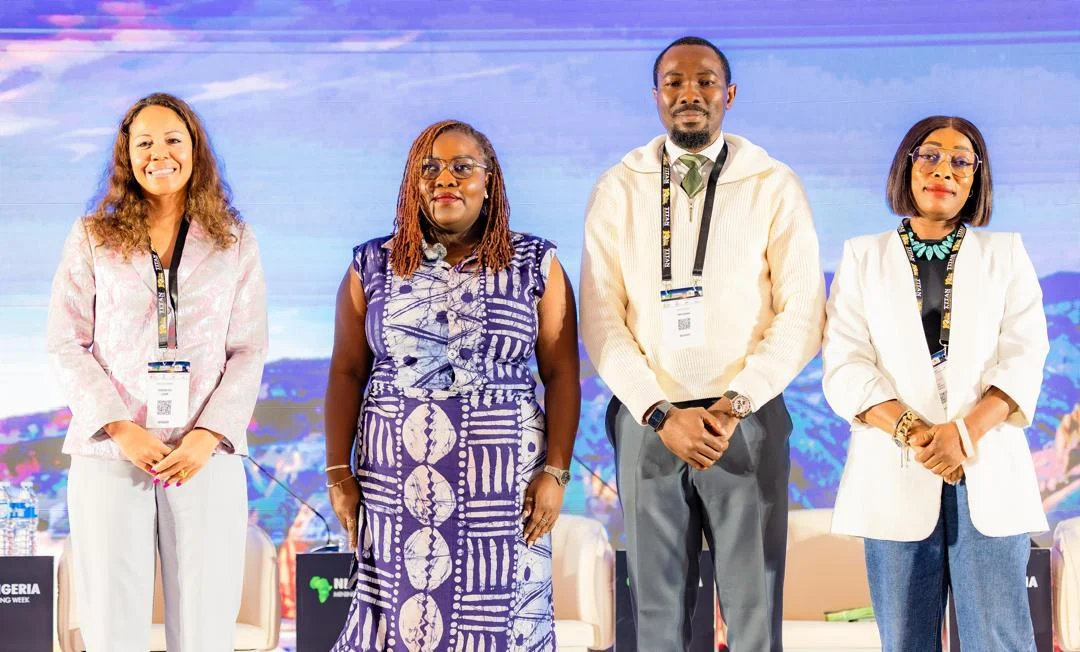

Segilola Resources Operating Limited (SROL), operator of Nigeria’s first commercial gold mine, has called for increased investment, stronger regulatory coordination and effective industry partnerships to unlock the country’s mining potential.
The company made the call at Nigeria Mining Week 2026 in Abuja, where it participated as a Diamond Sponsor and highlighted the role of responsible mining in diversifying Nigeria’s economy, creating jobs and attracting long-term capital.
The 11th edition of Nigeria Mining Week, held from October 12 to 14, brought together government officials, investors, mining companies and technical experts to discuss ways to expand the country’s mining industry under the theme, “Unlocking Investment and Growth through Partnerships.”
The Ministry of Solid Minerals Development hosted the event, while the Miners Association of Nigeria organised it in partnership with PwC Nigeria.


Delivering the keynote address at the main conference, SROL Country Manager Austin Menegbo said the Segilola Gold Mine had demonstrated that companies could establish and operate commercially viable gold mines in Nigeria.
He stressed that the country needed patient investment, technical expertise, predictable regulations and strong relationships with host communities to develop a competitive mining industry.
“The opportunity before Nigeria is significant. But potential, by itself, creates no jobs, earns no export revenue, builds no skills and transforms no communities,” Menegbo said.
He argued that Nigeria must translate its mineral wealth into productive operations by improving cooperation between government and private investors, rather than lowering regulatory standards to attract businesses.
“Segilola has shown that this can be done. Our responsibility now is to make the path clearer for the projects that should follow—not by lowering the bar, but by making the rules coherent, the processes credible and the partnerships real,” he added.
Menegbo said a more coordinated approach could help Nigeria attract serious investors, increase local participation and build a mining industry that delivers lasting economic benefits.
The central challenge for Nigeria is turning its mineral wealth into a dependable source of jobs, export earnings and industrial growth. While the country has substantial mining opportunities, investors need confidence in licensing processes, infrastructure, security and the consistency of government policies before committing significant capital to projects that may take years to become profitable.
For local communities, the benefits must also extend beyond mining royalties and temporary employment. Developing local suppliers, training Nigerian workers and establishing transparent community agreements could help ensure that commercial mining generates economic activity beyond the mine sites.
SROL showcases responsible mining practices
At a masterclass titled “From Compliance to Stewardship – Water Management: The SROL Way,” the company shared its approach to water conservation, recycling and responsible resource management.
The session examined how mining operators could incorporate water stewardship into daily operations and manage water resources throughout the mining process.
Water management remains an important consideration for the industry because mining activities can place pressure on local water supplies and ecosystems if operators fail to apply effective environmental safeguards.
SROL also delivered a session titled “Building a Commercial Gold Industry in Nigeria – Lessons from Segilola and the Path to Scale.”
The presentation examined lessons from establishing Nigeria’s first large-scale commercial gold mining operation and explored opportunities to expand the wider industry.
Through its exhibition booth, the company engaged stakeholders on environmental protection, workplace safety and host community development.
These discussions highlighted the need for mining companies to balance commercial objectives with environmental responsibilities and the interests of communities that host their operations.
Partnerships key to mining sector growth
Nigeria’s solid minerals sector offers opportunities to diversify government revenue, expand exports, create employment and supply raw materials for domestic industries.
However, realising those opportunities will require more than identifying mineral deposits. Companies must finance exploration, develop transport and power infrastructure, adopt appropriate technology and meet environmental and safety standards.
Effective partnerships between government, mining companies, financial institutions and local communities could help address some of these challenges by improving access to capital, strengthening technical capacity and creating clearer expectations for project development.
For Nigeria, the wider economic test will be whether mining investments stimulate local manufacturing and services instead of exporting raw minerals without building substantial domestic value chains.
SROL’s participation at Nigeria Mining Week 2026 reaffirmed its commitment to sharing operational experience, promoting responsible mining and supporting the development of a competitive mining industry.
The company maintained that coordinated investment, credible regulation and stronger partnerships would help Nigeria convert its mineral resources into sustainable economic growth and lasting benefits for host communities.